Tag: working-class
Osborn: Not A Face In The Crowd, But A Real Working Class Candidate

Osborn: Not A Face In The Crowd, But A Real Working Class Candidate

A Face in the Crowd is the prophetic 1957 movie about a charismatic drifter "discovered" in an Arkansas jail. The face belongs to "Lonesome" Rhodes, a scoundrel whose folksy act catapults him to national prominence. "Lonesome" (Andy Griffith) abuses women, but the crowd only sees a lovable spinner of down-home yarns. He deflates after getting caught on an open mic mocking his followers as idiots and fools.

Maine's Graham Platner was a face in the crowd, sold to Democrats as a salt-of-the-sea oysterman who actually came from a privileged background. The senatorial candidate survived his sordid history of mistreating women until a plausible accusation of rape finally did him in.

American politics feasts on stories of candidates from humble backgrounds who know what it means to be a working stiff. Some such contenders are uncovered as bums or phonies. But some are the real thing.

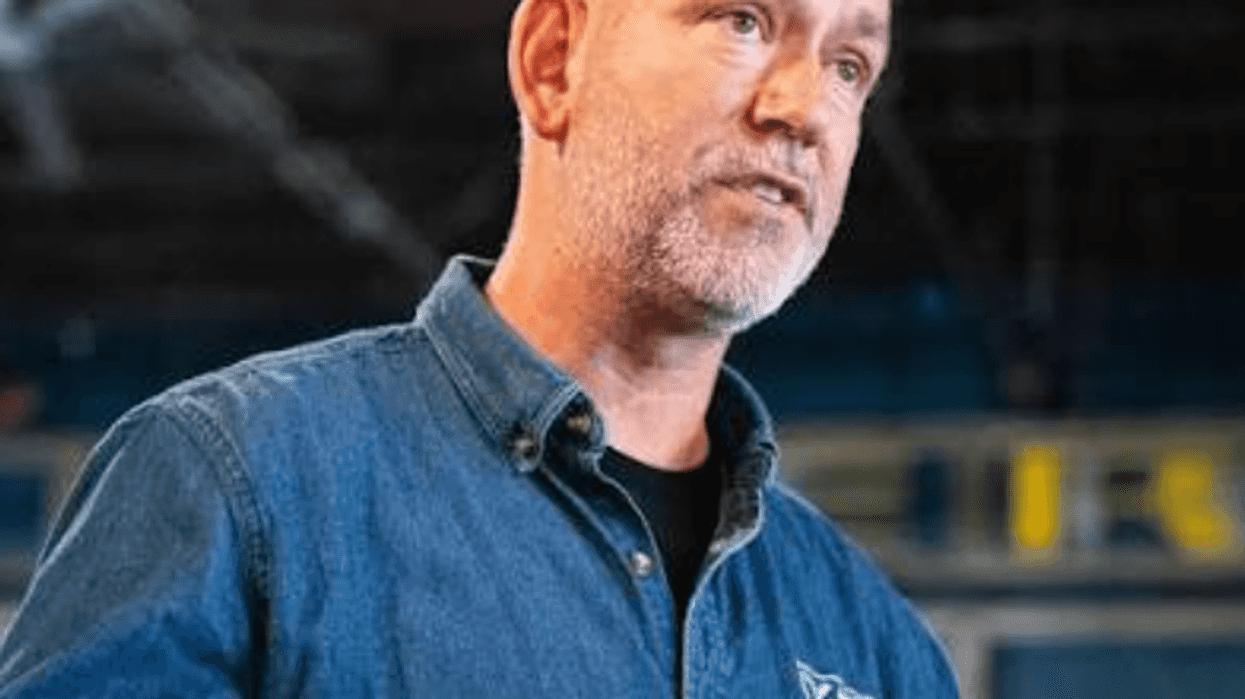
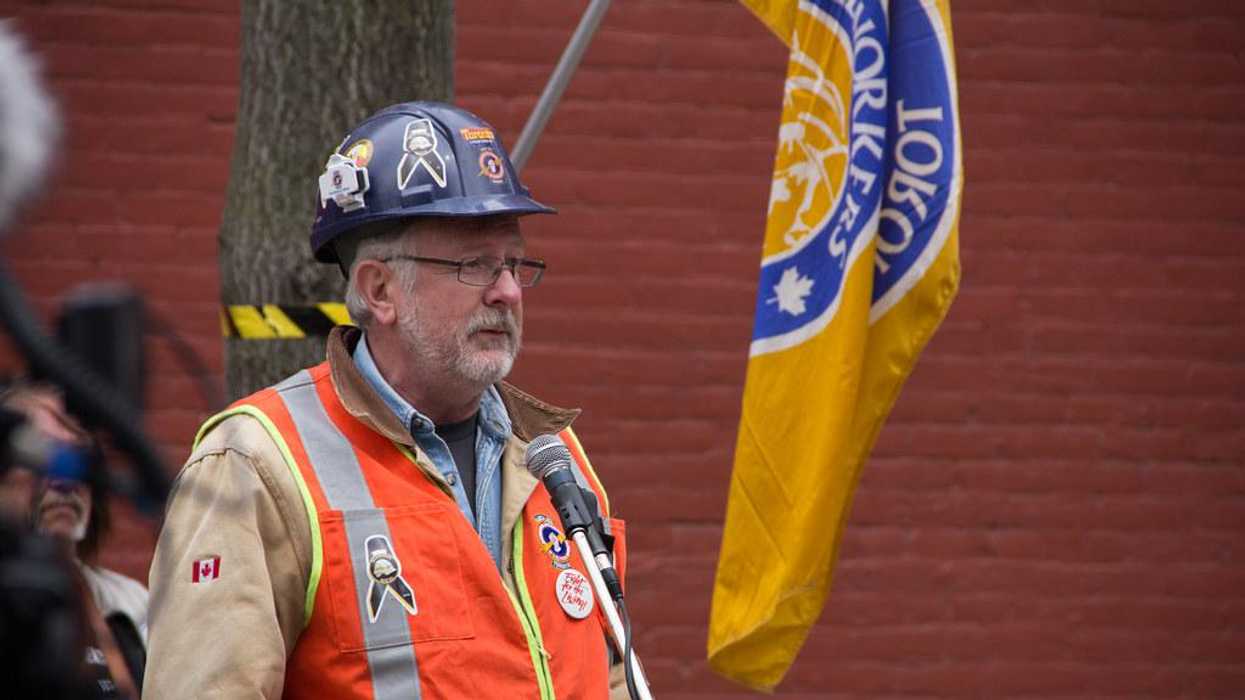
They would include Dan Osborn of Nebraska. He is the steamfitter and former union organizer from Omaha running for the senate as an independent against Republican Sen. Pete Ricketts.

Osborn now has a decent chance of prevailing in November. His is not a new face. He had run in 2024 as an independent who did surprisingly well against Republican incumbent Deb Fischer. Osborn lost by only 7 points in a state that Donald Trump carried by about 21 points. Osborn clearly has appeal.

After the election, Osborn launched a PAC called the Working Class Heroes Fund. Its stated mission is to support candidates like him, regardless of party label. With Ricketts an heir to a family fortune exceeding $1 billion, Osborn has predictably framed the race as between the "billionaire class" and the working class.

One of his challenges, though, is to minimize the extent to which Democrats openly want him to win. Nebraska Democrats are not running their own candidate and urge their contributors to back Osborn.

To prevail in a conservative state like Nebraska, Osborn needs support from disaffected or moderate Republicans. If elected, he vows not to caucus with either party. And he criticizes Democrats for their focus on white-collar professionals.

Working in his favor is the fact that many Nebraska Republicans are not hard right. Omaha Rep. Don Bacon, for example, is a Republican moderate known for often criticizing Trump. His is a swing district, nationally known as the "blue dot." Seeing himself at a disadvantage among MAGA Republicans and Democrats desperate for a win, Bacon decided not to seek another term.

Former Nebraska Sen. Ben Sasse is a traditional conservative known for his intellect and courteous manners. Sasse was one of only seven Senate Republicans who voted to convict Trump for inciting the Capitol riot. He is now bravely confronting Stage 4 pancreatic cancer.

Trump's job approval rating in Nebraska is evenly divided or slightly underwater. And so a working man fixed on pragmatic solutions would seem a serious challenger.

Arizona Democrats have Katie Hobbs running for reelection as governor. The product of a middle-class family, Hobbs put herself through college. While secretary of state in 2020, she earned national renown for defending Arizona's election results against phony claims of voter fraud.

As governor, she has lured business to her state, which explains her directing ads toward Republicans and independents. Many Arizonans, meanwhile, remain incensed at Trump's shabby treatment of the late Republican icon John McCain.

McCain's widow, Cindy McCain, has publicly endorsed Hobbs against her Republican opponent, Andy Biggs. Tied hand and foot to Trump, Biggs tried to overturn the results of the 2020 election.

Moderate Democrats do have a good shot at winning this November. Electorates may have grown weary of faces in the crowd, entertainers offering colorful tales and little more.
Details Leaked On GOP Plan To Raise Taxes  On Working Class, Gut Social Security

Details Leaked On GOP Plan To Raise Taxes  On Working Class, Gut Social Security

They’re at it again: Republicans want to raise taxes on poor and working-class Americans, end Social Security and Medicare, jack up pollution and corporate profits, all while continuing to pamper their billionaire donor base.

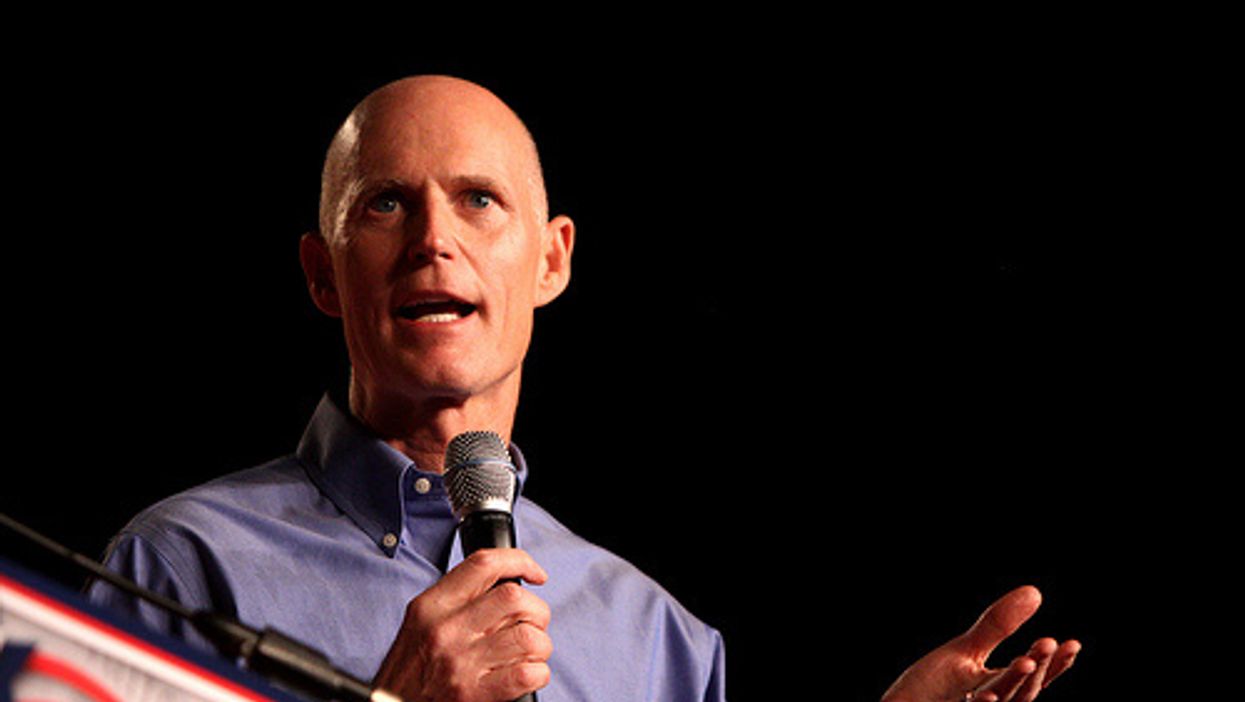
This time it’s the guy in charge of getting Republican senators elected and re-elected, Florida’s Senator Rick Scott.

You may remember him as the guy who ran the company convicted of the largest Medicare fraud in the history of America, who then took his money and ran for Governor of Florida, where he prevented the state from expanding Medicaid for low-income Floridians for all the years he ran the state.

Now he’s the second-richest guy in the senate and, IMHO, the leading candidate for the GOP nomination for president in 2024. And, true to form, he’s echoing the sentiments of the richest guy in the Senate, Mitt Romney, the last guy before Trump to have that nomination.

“There are 47 percent who are with him,” Romney said of Obama voters back in 2012, “who are dependent upon government, who believe that they are victims, who believe the government has a responsibility to care for them, who believe that they are entitled to health care, to food, to housing, to you name it. These are people who pay no income tax.”

Low income working people in America generally pay a higher percentage of their income as taxes than do most of our billionaires and multi-multi-millionaires. They pay Social Security taxes, Medicare taxes, property taxes, sales taxes, taxes in the form of fees for everything from a driver’s license to road tolls to annual car inspections.

As Romney pointed out, though, about 47 percent of Americans in 2012 made so little money that, after applying the standard deduction, they paid no income tax.

This doesn’t just reveal how few people pay taxes, though. To the contrary, it reveals how many Americans are living in or on the edge of poverty.

The simple reality is if you want more people to pay income taxes, all you have to do is raise working people’s pay. We saw this in a big way between 1950 and 1980, when Keynesian economics reigned and labor unions helped wages — and the taxes they paid — steadily rise for working people.

But Republicans don’t like the idea of what they call “wage inflation.” They’d rather just squeeze working people harder, while continuing their subsidies of the lifestyles of the morbidly rich “donor class.”

More than half of Americans make so little money from their employment that they can’t deal with an unexpected $1000 expense like a car accident or medical bill. And it’s these very people who Rick Scott and the GOP believe need to be further taxed so they’ll have what Scott calls “skin in the game.”

In the early years of the Reagan administration, before his neoliberal “trickle down” and “supply side” policies started to really bite Americans, only 18 percent of Americans were so poor that their income didn’t qualify to be taxed.

As “Right to Work for Less” laws spread across America and Republicans on the Supreme Court made it harder for unions to function, more and more working people fell below the tax threshold.

Today it takes two working adults to maintain the same lifestyle that one worker could provide in 1980, so an estimated 61 percent of working Americans this year will make so little pay that their income isn’t subject to taxation.

Rick Scott and the GOP’s solution to this situation isn’t to raise the income of working-class people. Quite to the contrary, they’re suggesting that low-income people should be hit with their very own income tax — in addition to the dozens of other taxes they’re already paying — all so multimillionaires and billionaires like Scott and his friends can hope to see their own taxes go down a tiny bit.

Doing his best imitation of Newt Gingrich, Scott has rolled out his 11-point-plan to soak the American middle class, lock down elections, destroy consumer protections, increase pollution and climate change, and squeeze a few more dollars out of every family, no matter how tight their budgets may already be.

Scott calls that “rescuing America.” And it may be true, if you’re morbidly rich and made your money spewing pollution or hustling opioids.

His plan not only calls for a 50 percent cut in the IRS workforce, presumably to end all audits of rich people like Scott, but also demands all federal legislation to “sunset” within five years. That would almost certainly end Social Security and Medicare, programs that have been in the crosshairs of Republicans since Reagan’s day.

Realizing how “raising taxes on 60% of American voters” will play in campaign ads, Mitch McConnell has backed away from Scott’s bizarre proposal. But Fox “News” is all over it, inviting Scott on repeatedly to hawk his plan and prepare the ground for his candidacy. After all, billionaires like Rupert Murdoch and his family need their tax breaks!

As Sean Hannity told Scott during a recent appearance, “I want to applaud you. I'd like to see the House and the Senate come together on these issues, make these promises to the American people, get elected and then fulfill those promises.”

No doubt multi-millionaire Hannity was speaking his own truth. But for the majority of Americans who are so poor they barely have to pay income taxes, Scott’s plan is just the latest in a 40-year barrage of assaults and insults coming from the GOP.

Reprinted with permission from Alternet

West Virginia Steelworkers Accuse Manchin Of 'Turning His Back' On Them

West Virginia Steelworkers Accuse Manchin Of 'Turning His Back' On Them

Ed Barnette long ago realized that affordable child care and paid sick leave, among other resources, would be essential to helping West Virginians build better lives and save what’s left of the middle class.

He just never expected that when America was finally on the cusp of providing these essentials, West Virginia’s Democratic senator would join pro-corporate Republicans in blocking the way.

But that’s exactly what happened. In thwarting the Build Back Better legislation, Senator Joe Manchin turned his back on the working families whose support catapulted him to power in the first place.

“It’s almost like he forgot where his roots are,” fumed Barnette, president of United Steelworkers (USW) Local 5668, which represents hundreds of workers at the Constellium plant in Ravenswood, West Virginia. “He comes from a blue-collar state. When you say ‘West Virginia,’ the first thing you picture is a worker with a hard hat.”

“Surely, he won’t do it,” Barnette recalled saying to himself in the days before Manchin decided to withhold his vote and block the bill. “He did, and I just thought, ‘Damn it! You’re supposed to be working for us.’”

Barnette rejoiced last fall when Congress passed a historic, $1 trillion infrastructure bill. Like other states, West Virginia urgently needs improvements to its roads and bridges, schools and airports, energy systems, locks and dams, and communications networks.

But Barnette understands that the infrastructure legislation will have the biggest impact—and create the greatest number of manufacturing and construction jobs—only in conjunction with the $2 trillion Build Back Better bill.

Build Back Better would provide access to affordable child care and pave the way for more parents, especially more single parents, to enter the workforce. It would ensure workers receive up to four weeks of paid family medical leave, so they could battle life’s challenges while continuing to support their families.

And it would provide universal preschool for three- and four-year-olds, putting all of America’s children on the road to productive lives.

“It will do nothing but help the working people and middle class of West Virginia,” said Barnette, citing West Virginia’s high poverty rate and population loss.

Just as important, Build Back Better would boost funding at the U.S. Occupational Safety and Health Administration (OSHA), positioning the agency to better address safety risks workers face every day as well as crises like the COVID-19 pandemic. Among other enhancements, the additional resources would enable the agency to hire more inspectors so the agency can investigate additional complaints, develop new safety standards and save lives.

Build Back Better also would increase the penalties that employers face for violations, making them more likely to address hazards proactively. The current low penalties merely encourage corporations to risk workers’ lives.

“I definitely think we need a stronger OSHA,” Barnette said. “It’s the difference between life and death with some employers.”

In addition, the legislation would incentivize the development of emerging industries, like clean energy and electric vehicle production, that would help to revitalize American manufacturing, create good-paying jobs and better position the nation to lead the world economy.

Whether it’s assembling electric vehicles, making batteries or manufacturing the components for solar panels, West Virginia has union workers with the work ethic and enthusiasm to get these industries up and running, noted Dallas Elswick, a former chemical worker and USW member from Nitro, West Virginia.

"The union workers made this country,” Elswick said. “Everybody knows that. And there’s a need for development here. There’s a big need.”

The House passed Build Back Better in November. The bill needed the support of all 48 Democrats and two Independents to pass the Senate, so President Joe Biden and congressional leaders worked tirelessly to get Manchin on board.

Senator Charles Schumer, the Senate majority leader, repeatedly spoke with him. House Speaker Nancy Pelosi talked with him, too.

Biden spoke with Manchin by phone and had him over to the White House. Biden also went so far as to host Manchin at his Delaware home to talk through the transformative nature of the bill, even though the legislation’s potential to level the playing field for working Americans is clear for all to see.

He abandoned single parents, unable to afford child care, to poverty. He threw seniors, struggling to pay for prescriptions and health care, under the bus. He slammed the door on workers eager for new industries and jobs.

Barnette and Elswick are among millions in West Virginia and around the country calling on Manchin to do the right thing and embrace Build Back Better.

“We may not get an opportunity to do this ever again,” Elswick said of the sweeping changes offered by Build Back Better. “For him to do what he did is unbelievable.”

Tom Conway is the international president of the United Steelworkers Union (USW).

This article was produced by the Independent Media Institute.T

coal miners joe manchin

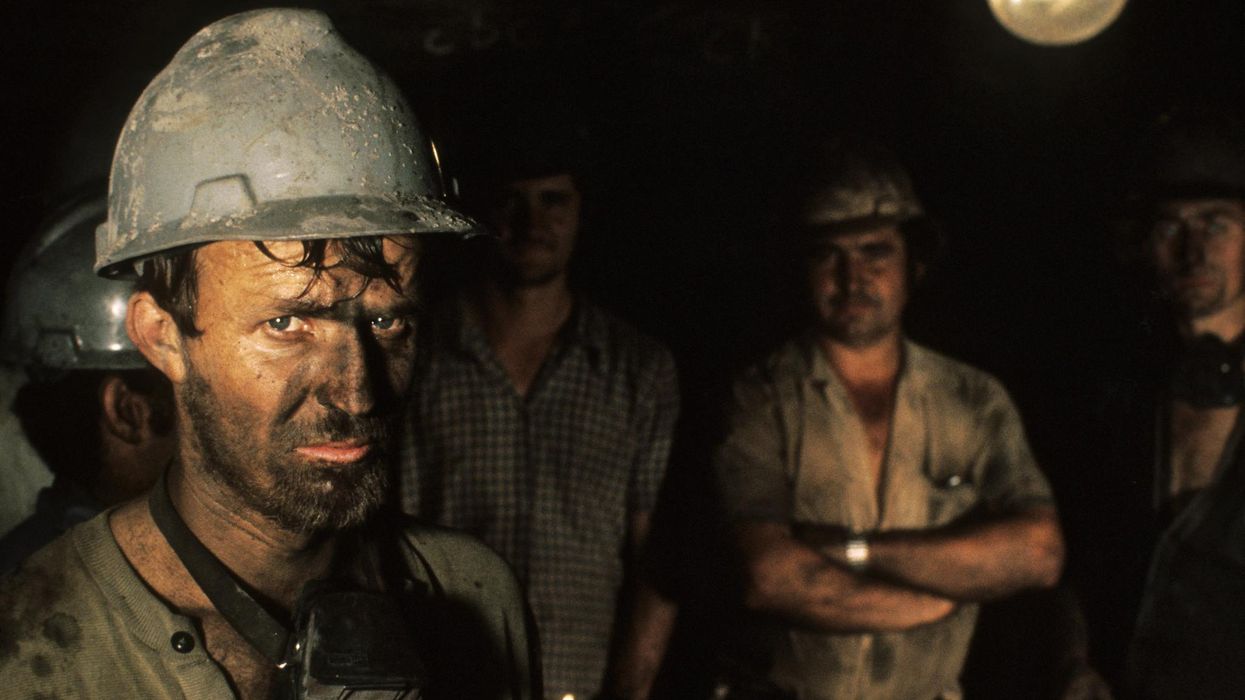
Livid With Sen. Manchin, Coal Miners Say He's Turning His Back On Them

After DINO Senator Joe Manchin (D-WV) selfishly torpedoed President Biden's Build Back Better plan, sending the markets in a tailspin on Monday and leaving millions of working poor parents out in the cold, the faux democratic Senator did what he always does when opposing a very popular piece of legislation from his own party: run to the media and claim the bill would harm his West Virginia constituents.

Worse yet, Manchin came even closer to becoming a full-blown Republican when he falsely claimed that parents would use the Child Tax Credit to buy drugs. One can make an argument that it's not the government's job to subsidize your family, especially when single working-class Americans aren't getting any such relief, but it's beyond disingenuous and ugly to believe that the monies are being used on drugs.

But the United Mine Workers are telling Manchin it’s time he works for them and support this bill.

"We urge Senator Manchin to revisit his opposition to this legislation and work with his colleagues to pass something that will help keep coal miners working, and have a meaningful impact on our members, their families and their communities,” Cecil Roberts, president of the United Mine Workers of America, said in a statement Monday. These workers are justifiably sacred about job security and want help now. Build Back Better, for example, includes several tax incentives—which Manchin's Big Coal donors are fighting—to encourage manufacturers to build new facilities at the coal site and hire unemployed miners.

Manchin's opposition means “the potential for those jobs is significantly threatened,” Roberts said. And Phil Smith, the union’s chief lobbyist, highlighted this provision in an interview with The Washington Post’s Greg Sargent, saying the bill would “provide a better chance of helping workers who will be dislocated by our transition to a decarbonized future—a dislocation that will likely continue either way—than not passing BBB will.” Adding, the bill “provides the potential for good jobs that our members who have been dislocated can get,” Smith said

These coal miners are not just upset with Senator Manchin's blatant disregard for the economic livelihoods, but they also believe in voting rights--a provision in BBB--and want him to get on board with that as well.

“I also want to reiterate our support for the passage of voting rights legislation as soon as possible, and strongly encourage Senator Manchin and every other Senator to be prepared to do whatever it takes to accomplish that,” Roberts said in the statement. “Anti-democracy legislators and their allies are working every day to roll back the right to vote in America. Failure by the Senate to stand up to that is unacceptable and a dereliction of their duty to the Constitution.”


In short, these coal miners vigorously believe in the BBB and are not going to let one Senator's massively large ego get in the way of their survival.

Shop our Store

Headlines

Editor's Blog

Trending

World